



1. Microcredit: Easing liquidity constraints of smallholder farmers during the hungry season may help break the cycle of inadequate crop yields and low-wage off-labor farm work by helping to smooth consumption (with the added bonus of raising local wages!). Jobs Knowledge Platform
2. African Financial Markets: African banks continue to expand their regional footprints, which creates an interesting policy balancing act - how to reap the benefits of financial integration while protecting systems against "cross-border contagion and fragility." The World Bank: All About Finance Blog
3. Income Distributions: Africa’s middle class doubled in the last 30 years - but the poor and rich classes grew as well, so income distributions have gone largely unchanged. The New York Times
4. Behavioral Economics: "We are being manipulated and nudged all the time–not only by media or businesses, but also by each other. The process is inevitable. Criticising nudging is like criticising electromagnetism or gravity – the best we can do is be aware of the forces at work, to understand them and to make people widely aware of them." The Behavioral Economics Guide 2014
5. Financial Literacy: Only 24% of Americans could correctly identify the best choice for long-term investments in a recent poll. Click to find out if you know the right answer! Vox
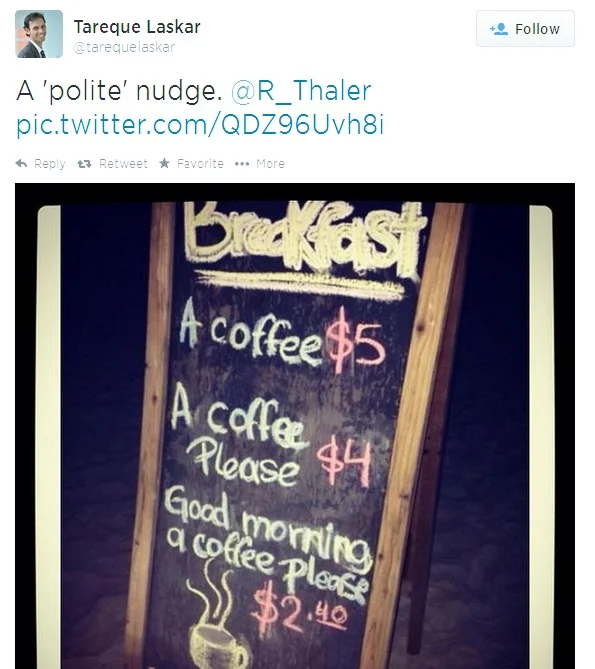
Source: Twitter
Editor’s Note: I’m going to assume that you are seeing plenty of AI content (news and papers, not AI slop, though I’m sure you’re getting plenty of that too) from other sources, so I’m trying to think hard about the marginal value that the faiV can provide. As far as I’ve gotten so far: a) make sure that directly AI-related content does not take up more than 2 of the 5 items, and b) try to focus specifically on the cybersecurity issue for financial inclusion. Beyond that, I’m open to feedback on the value you get from the faiV in relation to AI to help guide us in the future. On a different note, I’ll be making a brief cameo appearance at the e-MFP Inclusive Finance Conference to moderate the opening plenary. If you haven’t registered, do so and I hope to see you there! - Tim Ogden